
Cultural Community Center
Case Study
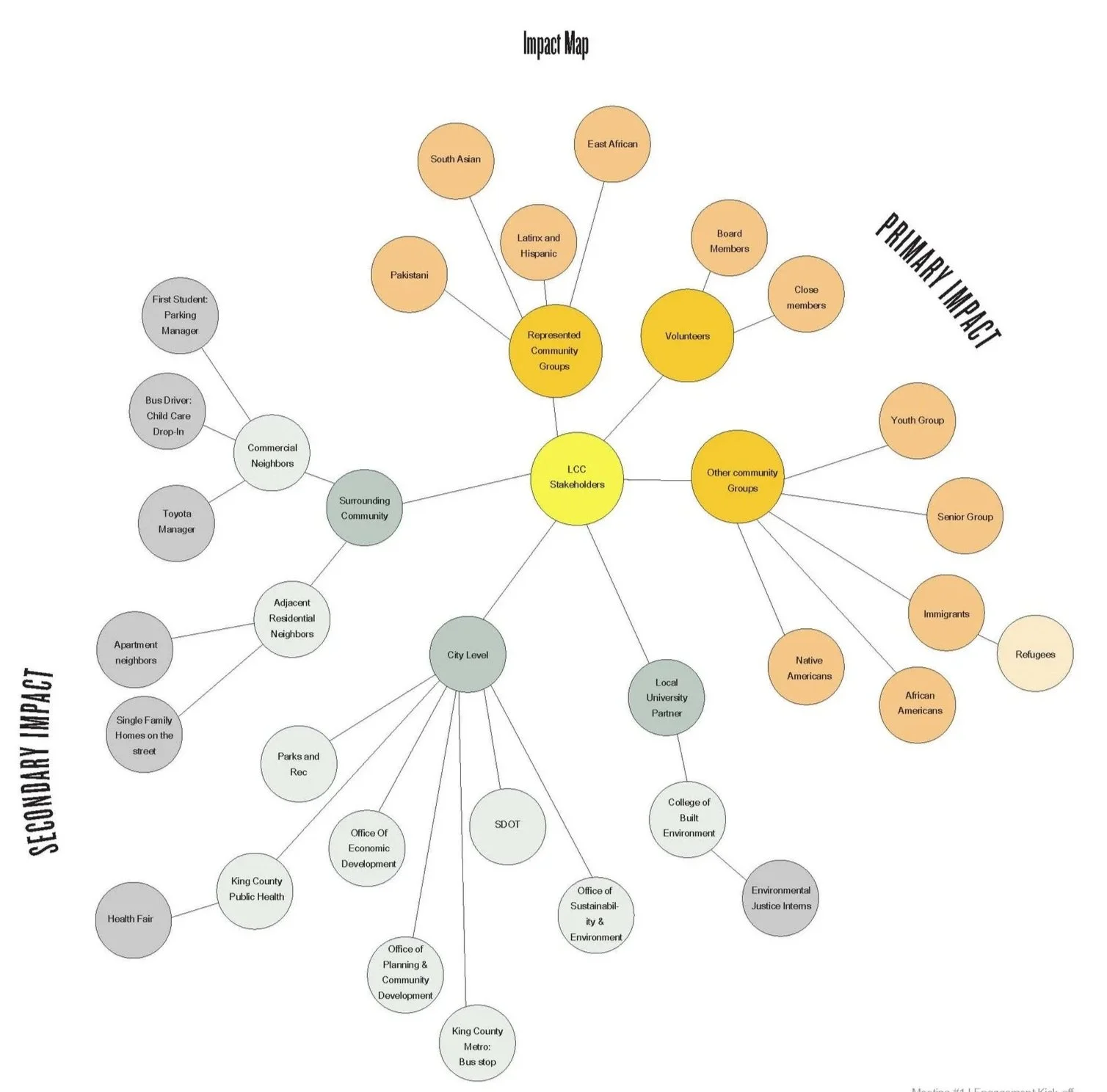
Led a multi-phase participatory process to inform the vision and program of a new multicultural community center, engaging stakeholders across age groups, cultural backgrounds, and lived experiences.
The process revealed the need for the center to function not just as a shared space, but as a platform for advocacy, cultural expression, and community-led programming.
These insights informed key spatial priorities, including flexibility, visibility, and accessibility, as well as programmatic elements such as shared kitchens, youth spaces, and performance areas.
The result was a strategy grounded in community identity—ensuring the space reflects not only functional needs, but the values and aspirations of the people it serves.


Debrief
Engagement
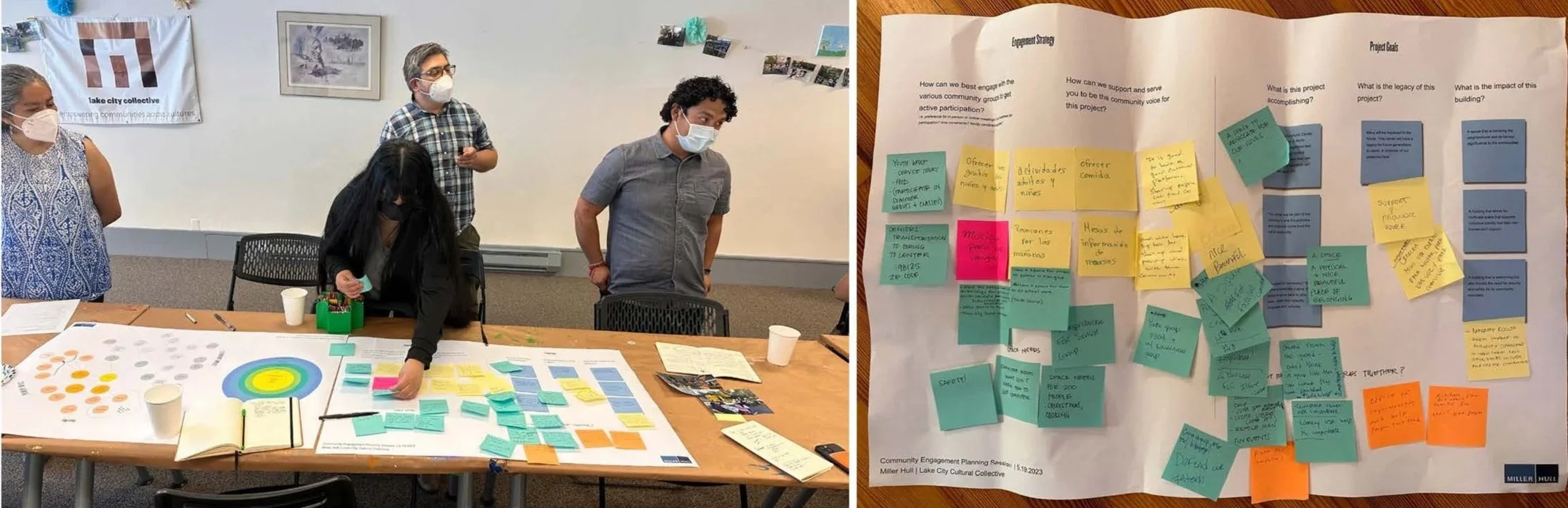
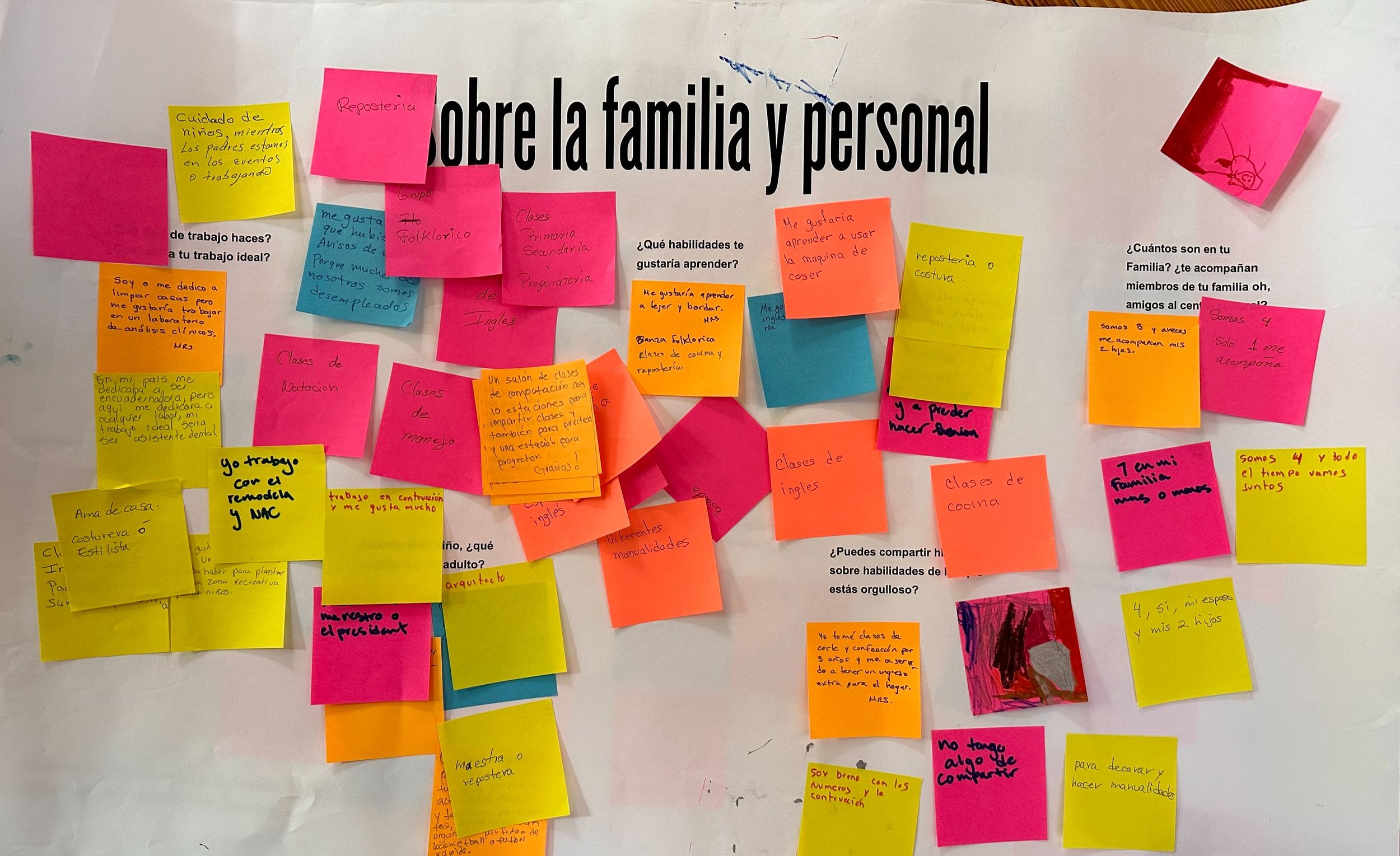
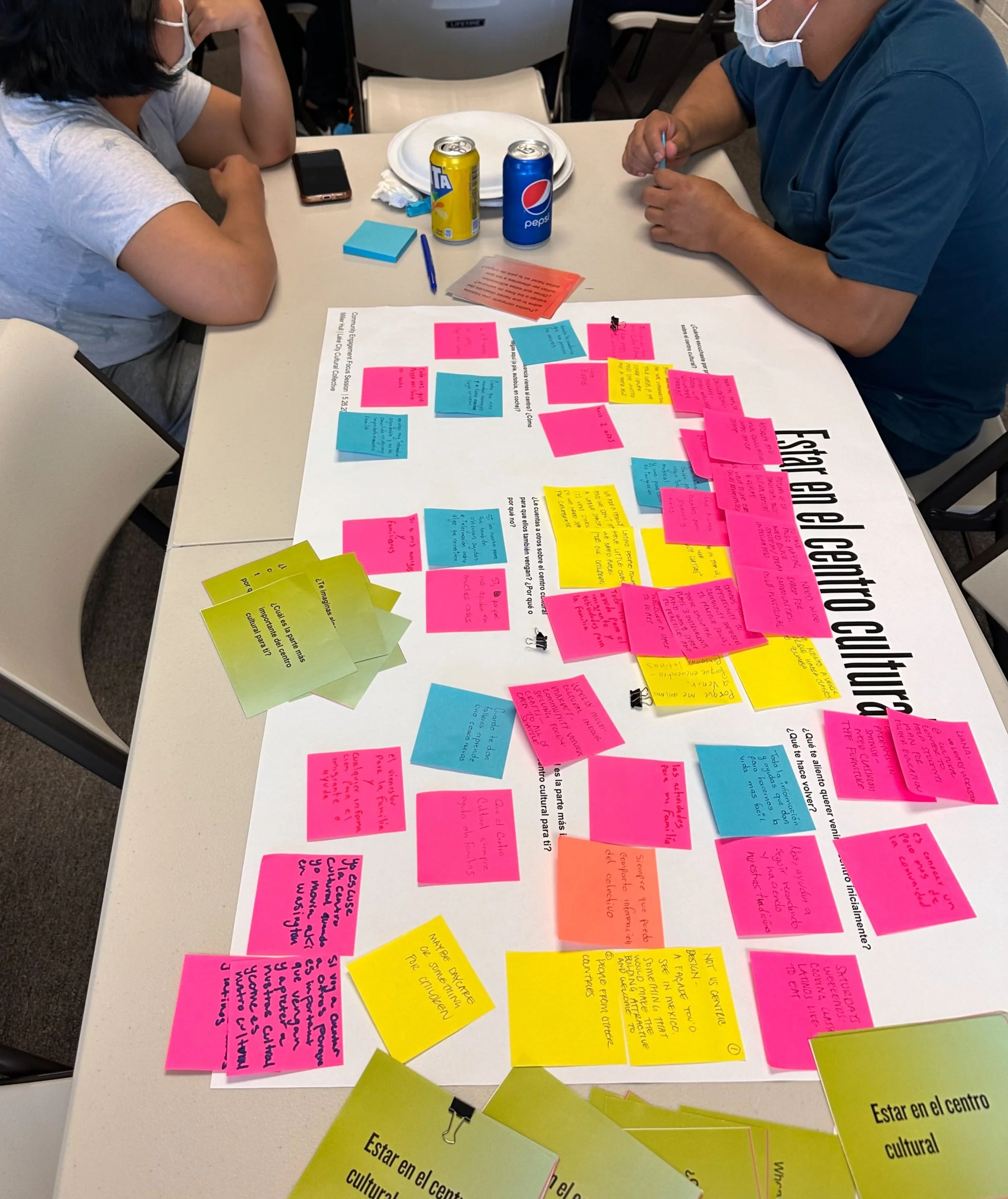
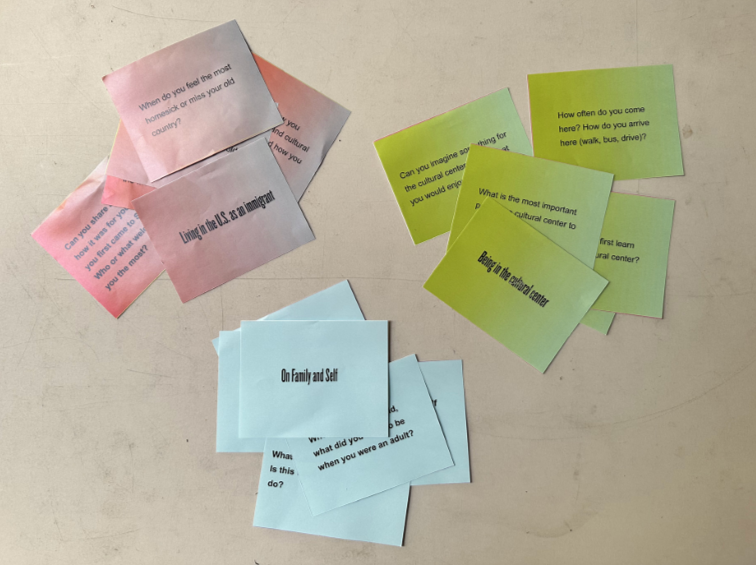
Early engagement sessions with leadership, stakeholders, and youth were designed to understand how a proposed cultural and community center could function as both a civic anchor and a cultural home. Across groups, a consistent theme emerged: the center is expected to operate not just as a building, but as a platform for advocacy, cultural identity, and intergenerational connection.
Leadership + Stakeholders
Engagement with community leaders revealed the center as civic and cultural infrastructure—extending beyond programming into visibility, advocacy, and belonging.
Insights:
Dual role: community hub + cultural institution
Central “heart space” for collective gathering
Flexible, multi-use environments across scales
Safety, access, and trust as core priorities
Kitchen as cultural and social anchor
Strong street + neighborhood integration
Essential role as “third place” in low-income context
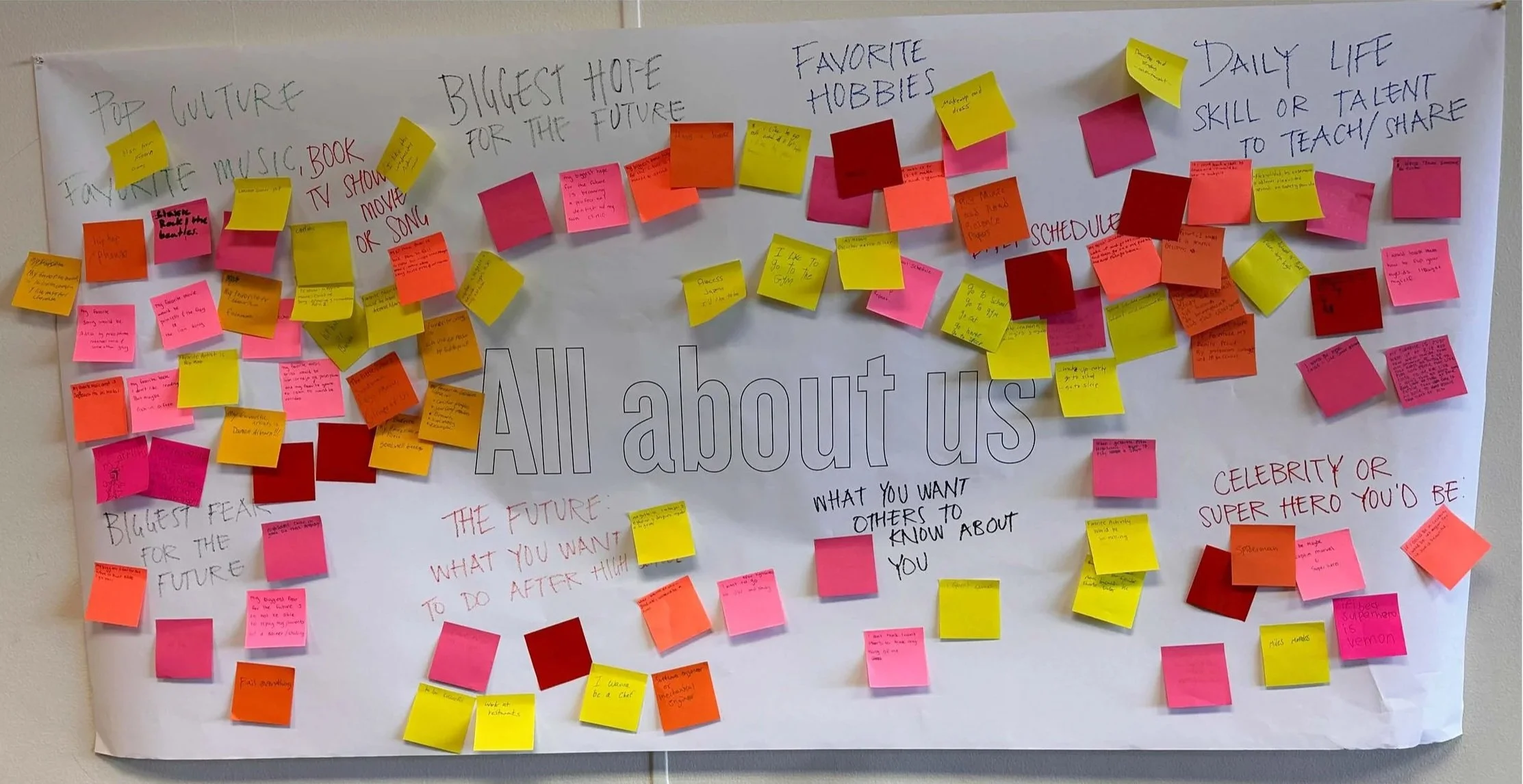
Youth Sessions
Youth sessions surfaced identity formation, aspiration, and the importance of informal, relational engagement formats.
Insights:
Self-expression and identity as primary drivers
Strong interest in learning and skill-building spaces
Preference for informal, social environments
Focus on future opportunity and trajectory
Trust built through play + presence, not structure
Strategic Implications
Across all engagement groups, findings converged into a shared set of design drivers that shaped the direction of the project:
community connection | cultural visibility | access + safety | learning + exchange | flexible gathering systems
Insight Guided Architectural Direction
Heart Space
A flexible central gathering space supporting collective cultural expression, events, and shared identity.
Cultural Materiality
Material and spatial language that reflects identity, narrative, and cultural presence.
Community Program Zones
Spaces for advocacy, learning, and intergenerational exchange embedded within everyday use.
Shared kitchen spaces positioned as social and cultural anchors.
Food + Kitchen Infrastructure
Third Place Conditions
Environments designed to support informal gathering beyond institutional or domestic settings.
Safety + Belonging Systems
Spatial strategies supporting visibility, comfort, and trust across age groups.